How to Write a Haiku Poem, with Haiku Examples
This page explains how to write a haiku poem, and offers haiku examples and prompts to inspire you. At the bottom of this page, you'll find links to more poetry help.
What is haiku?
Haiku is a Japanese poetry form. A haiku uses just a few words to capture a moment and create a picture in the reader's mind. It is like a tiny window into a scene much larger than itself.
Traditionally, haiku is written in three lines, with five syllables in the first line, seven syllables in the second line, and five syllables in the third line.
Haiku examples
Here's a haiku poem written by a poetry student:
The last winter leaves
Clinging to the black branches
Explode into birds.
You can find more haiku examples by our visitors at the bottom of this page.
Characteristics of haiku
The following are typical of haiku:
- A focus on nature.
- A "season word" such as "snow" which tells the reader what time of year it is.
- A division somewhere in the poem, which focuses first on one thing, than on another. The relationship between these two parts is sometimes surprising.
- Instead of saying how a scene makes him or her feel, the poet shows the details that caused that emotion. If the sight of an empty winter sky made the poet feel lonely, describing that sky can give the same feeling to the reader.
Below, you'll find some ideas for writing haiku. If you're interested in other kinds of poetry, you might also like our online writing course, Essentials of Poetry Writing.
How to write a haiku - try it!
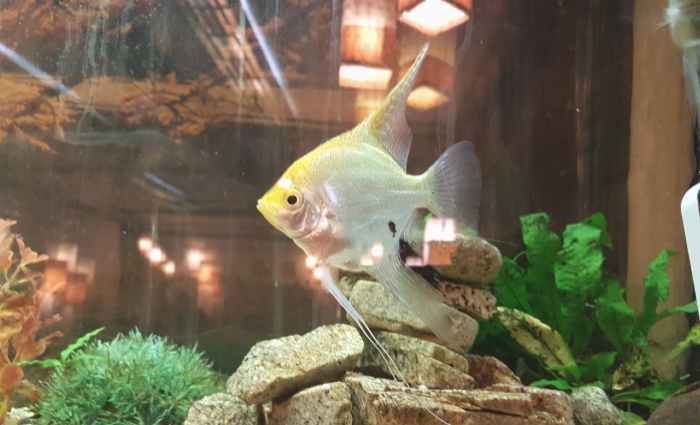
You can use the pictures lower down on this page to give you ideas. In your haiku, try to use details related to the senses -- sight, hearing, touch, smell, or taste.
Or look out your window, and describe what you see. Try to "zoom in" on a small detail that contains the feeling of the larger scene.
Or follow the steps below to write a "surprise-ending haiku." This is based on an exercise from the poet Ron Patchett which is described in The Haiku Handbook by William J. Higginson:
- Write two lines about something beautiful in nature. You can use the pictures below to give you ideas. Don't worry about counting syllables yet.
- Write a third line that is a complete surprise, that is about something completely different from the first two lines.
- Look at the three lines together. Does the combination of these two seemingly unrelated parts suggest any surprising relationships? Does it give you any interesting ideas?
- Now rewrite the poem, using the 5-syllable, 7-syllable, 5-syllable format and experimenting with the new ideas or perspectives that have occurred to you.
Haiku Photo Prompts


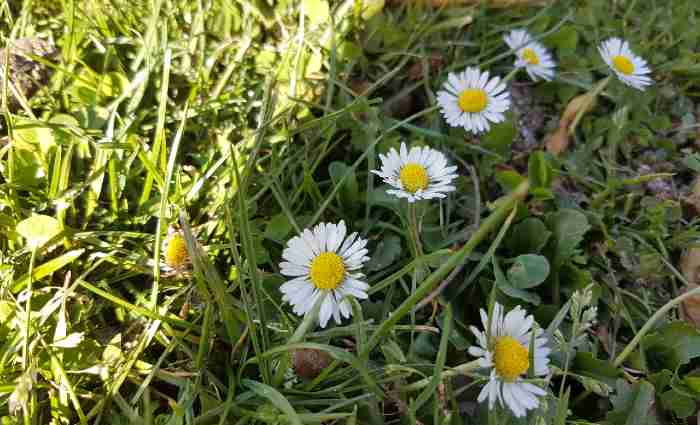
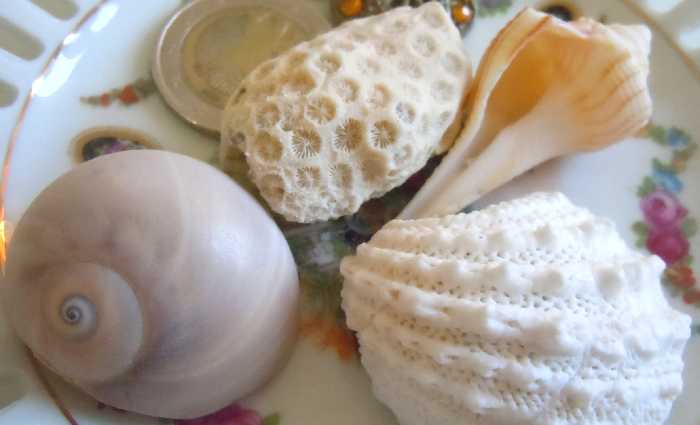
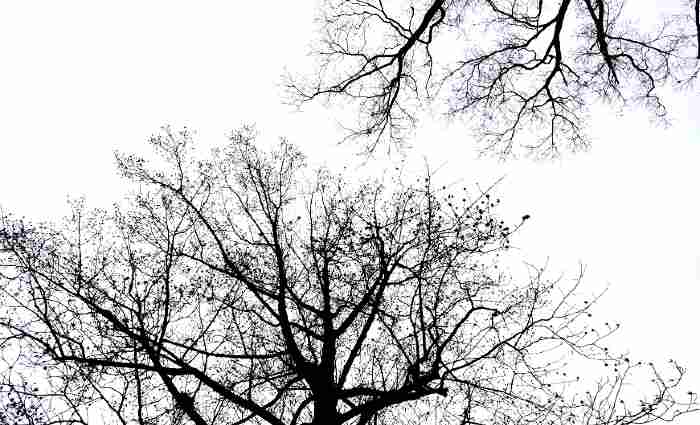
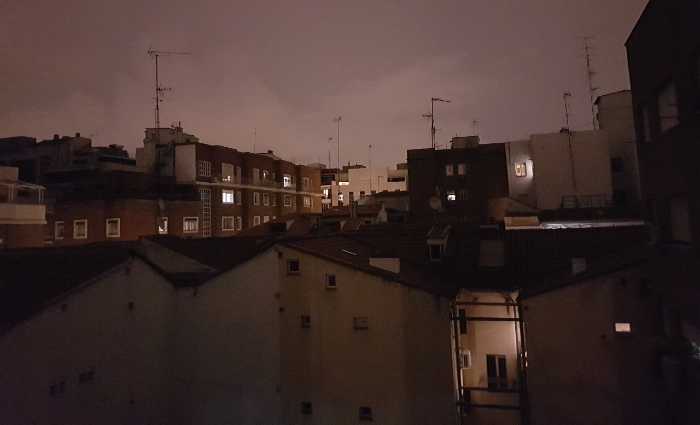
Haiku examples from our visitors
Here is a small selection of poems that were submitted to us by visitors. (Please note that we are no longer able to accept poetry submissions.)
Fences Like Smoke
by Tirzah Goodwin (Kentucky)
Run Appaloosa...
until your white spots wink out,
fences gone like smoke.
Fall
by Al McCartan (Bathurst, NSW, Australia)
It’s fall, leaves tumble
Colorful kaleidoscope
Bonfire time again
Purple!
by Elizabeth (Winston-Salem, North Carolina)
heliotrope hills
where bear and deer make their homes
radiate purple
Migration of Autumn
by Constance (Land of the Midnight Sun)
South, 'V' formation
Following the next in line
Snow geese fly away
Crane Rising
by Patricia Rogers (Glendale, CA)
Slowly, graceful wings
Lift skyward; as you lift me
Friends always, grateful
Seasons Inside of a Season
by Emma Gamble (Alaska)
Leaves are transforming
Slowly covering the ground
Shimmering from frost
Stars
by Patty (Manila)
Stars shining brightly
out there in the deep blue sky
Wish i could reach you
Veins of the Earth
by Thomas Pipps
Large mountain landscapes
A maze of lush green forest
Mother nature’s child
Autumn Invasion
by Jeanne Rainoldi (Nuttings Lake, MA)
leaves nosedive to earth
every bit like birds of prey
commandeered by Wind.
Picture Perfect
by Melissa Owens (Elk Grove, CA)
Darkness absorbed light
a flash too bright for my eye
capture a moment
Dead Leaves
by Yannis Hondros (Perth, Western Australia)
winter's dead dried leaves
are picked over by the wind
a footprint lingers
The Silver Toss
by Silous (Philadelphia)
A flash of silver
The fall heat is beating down
Heads, we win the toss!
Anticipation
by Anne (Eltham, Australia)
The sun dried red earth.
Birds resting with open beaks.
Storm clouds gathering.
The Web
by Kim (New Hampshire)
web in the window
beautifully spun silk threads
reflecting the sun
In Late Summer Heat
by Simon Rowson (Tokyo, Japan)
In late summer heat
Dead cicada at my feet
Its song has ended
Rainy Day
by Tai H. (Texas)
Sleeping all day long
Hearing the rain beat gently -
Dozing back to sleep.
How to Write a Haiku - Next Steps
Learn how to write acrostic poems, blank verse, sestinas, and more!
Sign up for our online course, Essentials of Poetry Writing.
